


The dumbbell fly workout is a highly effective exercise for targeting and building chest muscles in the comfort of your own home. Unlike traditional pressing movements that focus on pushing strength, the fly motion specifically targets chest adduction, which is the movement of bringing your arms toward the midline of your body.
This comprehensive guide will walk you through everything you need to know about performing dumbbell flies correctly to maximize chest development. Whether you’re a beginner or experienced fitness enthusiast, mastering this exercise can significantly enhance your chest development and overall upper body strength.
Key Takeaways
- Effective exercise for building chest muscles at home
- Targets chest adduction, unlike traditional pressing movements
- Proper technique is crucial for maximizing chest development
- Can be incorporated into your home workout routine
- Enhances overall upper body strength
Understanding the Dumbbell Fly Exercise
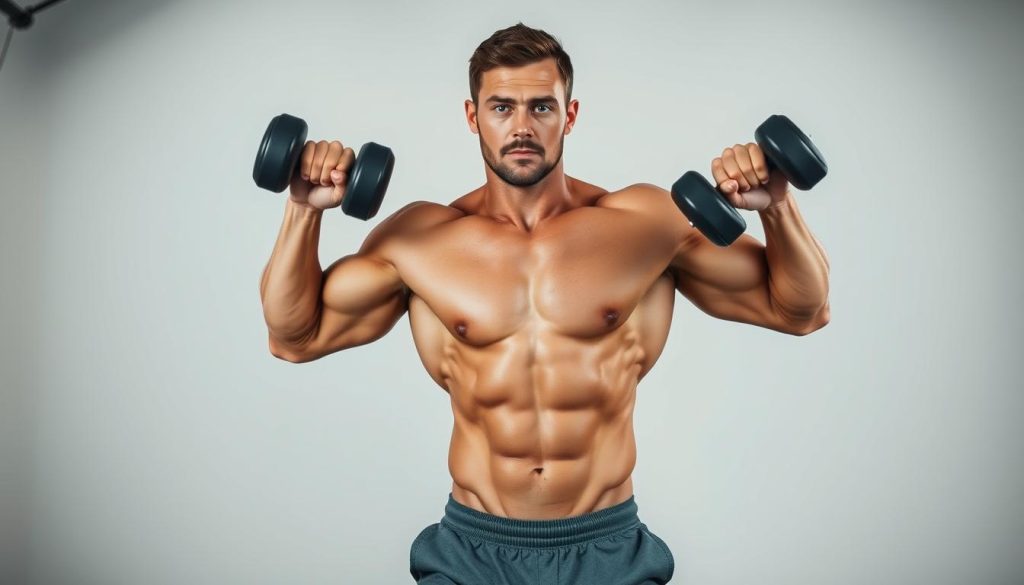
Understanding the mechanics of the dumbbell fly exercise is crucial for maximizing chest growth and overall fitness. The dumbbell fly is an isolation exercise that targets the chest muscles, specifically the pectoralis major.
What Muscles Does the Dumbbell Fly Target?
The dumbbell fly primarily targets the pectoralis major, which is the largest muscle in the chest. This exercise helps to develop the chest muscles by focusing on the adduction function, which is the movement of bringing the arms together.
Benefits of Adding Flies to Your Chest Routine
Adding dumbbell flies to your chest routine can have several benefits. Dumbbell chest exercises like flies offer a unique advantage by providing a controlled stretching and squeezing motion, which helps develop a better mind-muscle connection. Regular incorporation of flies can also help correct muscle imbalances between the inner and outer chest regions. Furthermore, the exercise provides an excellent stretch at the bottom position, promoting better chest flexibility and potentially increasing range of motion.
- Dumbbell flies complement traditional pressing exercises by focusing on the adduction function of the chest muscles.
- The controlled motion helps develop a better mind-muscle connection, leading to more effective training overall.
- Regular incorporation can help correct muscle imbalances between the inner and outer chest regions.
How to Perform the Perfect Dumbbell Fly
Executing the perfect dumbbell fly requires attention to detail and proper form. To maximize the effectiveness of this exercise, it’s crucial to understand the correct technique.
Setting Up Your Position
Begin by lying on a flat surface with your knees bent and feet planted firmly on the ground. Hold a dumbbell in each hand with your palms facing each other. Move your hands to turn your pinkies toward each other, creating some external rotation at the shoulder joints.
Step-by-Step Execution Guide
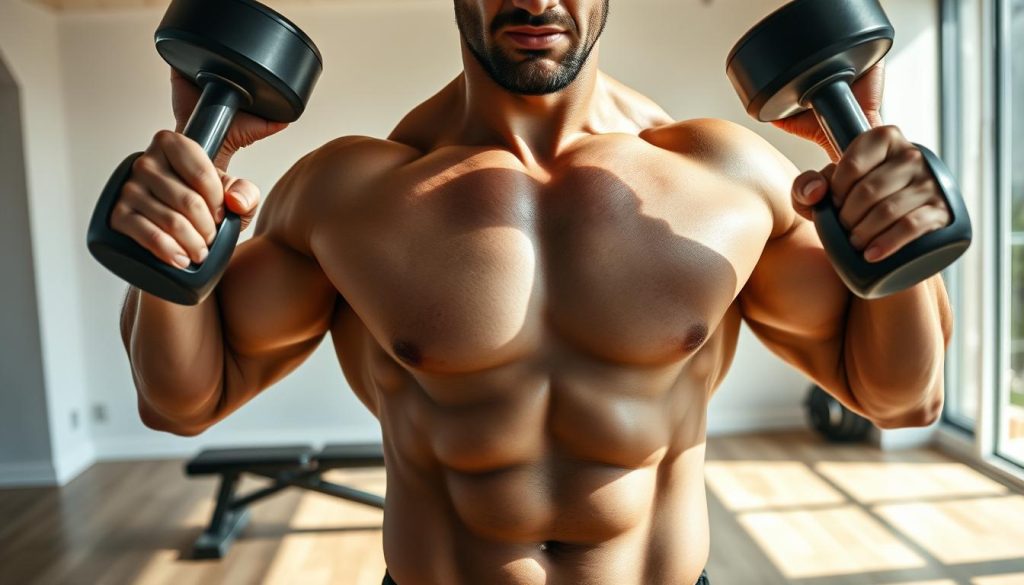
Bend your elbows slightly, then lower the dumbbell down to the sides, moving only at the shoulders. Lower down only to a comfortable point for your range of motion, when you feel a stretch on your chest. Squeeze your pecs to raise the weights back up to the starting position. Avoid slamming the weights together at the top.
Proper Breathing Technique
Proper breathing is crucial for maximizing the effectiveness of the dumbbell fly exercise and maintaining core stability. Inhale deeply through your nose during the eccentric phase as you lower the dumbbells out to the sides. Exhale forcefully through your mouth during the concentric phase as you bring the weights back up, timing your exhalation with the most challenging part of the motion. Avoid holding your breath during any part of the exercise.
Common Mistakes to Avoid During Dumbbell Flies
To get the most out of dumbbell flies, it’s crucial to avoid a few key mistakes that can compromise form and effectiveness. When performing this exercise, maintaining proper technique is essential to target the chest muscles effectively and safely.
Using Too Much Weight
One of the most common mistakes is using dumbbells that are too heavy. This can lead to poor form and increased risk of injury, particularly in the shoulders. It’s better to start with a manageable weight and gradually increase it as you become stronger.
Improper Range of Motion
Another mistake is not using the full range of motion. Failing to bring your arms together properly at the top of the movement can reduce the effectiveness of the exercise. Ensure you’re squeezing your chest muscles at the peak of the movement.
Forgetting to Squeeze Your Shoulder Blades
Forgetting to squeeze your shoulder blades together can put your shoulders in a vulnerable position. As you lower the dumbbells, squeeze your shoulder blades into the bench to maintain proper shoulder positioning and enhance chest activation.
- Failing to maintain shoulder blade retraction can lead to shoulder injuries and reduce the effectiveness of the exercise.
- Proper shoulder blade positioning is crucial for maintaining healthy joint mechanics and maximizing chest engagement.
- Actively squeezing your shoulder blades into the bench helps protect your shoulders and enhances the overall effectiveness of the dumbbell fly.
Incorporating Dumbbell Flies Into Your Home Workout
For a well-rounded chest workout at home, consider adding dumbbell flies to your routine. This exercise targets the chest muscles effectively and can be done 1-2 times per week.
To get the most out of dumbbell flies, start with 3 sets of 10-12 repetitions using moderate weights. Focus on maintaining perfect form throughout the entire movement, emphasizing the chest squeeze at the top.
If you don’t have access to a proper bench, you can perform modified dumbbell flies on the ground. This naturally limits your range of motion but still provides effective chest stimulation. Consider pairing dumbbell flies with complementary exercises like push-ups and dumbbell presses for a complete upper body workout.
As you progress, focus on increasing the mind-muscle connection rather than simply adding weight. Adjusting the angle of your bench can also help target different portions of the chest, adding variety to your workout.