

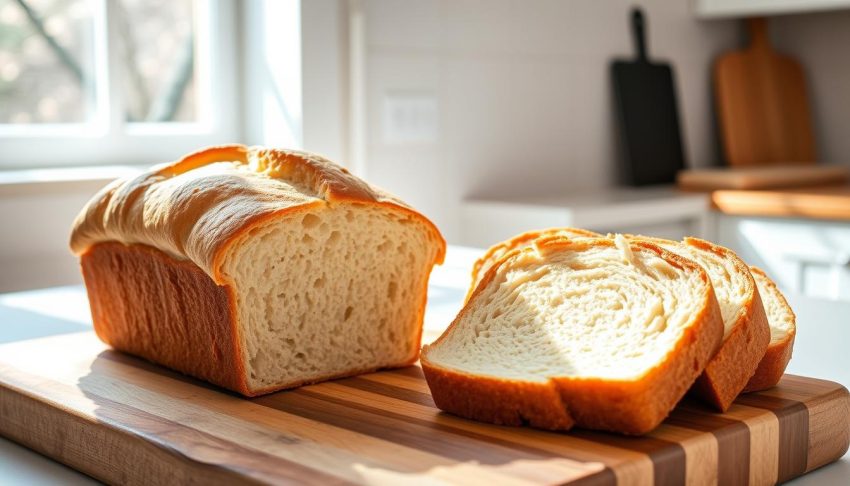
Following a ketogenic diet can be challenging, especially when it comes to giving up traditional bread. However, with this keto bread recipe, you can satisfy your cravings while staying within your dietary limits.
This low-carb bread is designed to mimic the taste and texture of regular bread, making it perfect for sandwiches, toast, or just snacking. With approximately 1-2g of net carbs per slice, it’s an ideal solution for those on a strict keto diet.
Not only does this keto bread taste great, but it’s also packed with nutritional benefits compared to traditional bread. Its versatility allows you to incorporate it into various meals, making it a great addition to your ketogenic lifestyle.
Key Takeaways
- Discover a game-changing keto bread recipe that satisfies bread cravings while keeping carbs low.
- Learn why traditional bread is problematic on a keto diet and how this recipe solves that problem.
- Understand the nutritional benefits of this keto-friendly bread compared to regular bread.
- Explore the versatility of this recipe and how it can be used in various meals.
- Find out how this keto bread mimics traditional bread in texture and taste.
Why Keto Bread Is a Game-Changer for Low-Carb Diets
For individuals following a low-carb diet, keto bread has emerged as a revolutionary alternative. Traditional bread is high in carbs, making it a challenging food to eliminate. However, keto bread provides a way to enjoy sandwiches, toast, and other bread-based foods while maintaining ketosis.
The Challenge of Giving Up Bread on Keto
Giving up bread can be one of the hardest adjustments when starting a keto diet. Traditional bread is dense with carbs, containing around 15-20g per slice. This makes it difficult for individuals to stay within their daily carb limit while still enjoying their favorite foods.
Benefits of Homemade Keto Bread
Making your own keto bread at home offers several advantages, including control over ingredients, customization to personal taste preferences, and cost savings compared to purchasing specialty low-carb bread. By baking your own keto bread, you can experiment with various recipes to find the perfect fit for your dietary needs.
Essential Ingredients for Perfect Keto Diet Bread
Crafting the perfect keto diet bread requires a deep understanding of the essential ingredients that make it possible. The right combination of ingredients not only ensures that the bread is keto-friendly but also delicious and satisfying.
Base Ingredients and Their Functions
The foundation of keto bread lies in its base ingredients, which provide structure, moisture, and flavor. Understanding the role of each ingredient is crucial for making adjustments and achieving the desired outcome.
Almond and Coconut Flour
Almond flour and coconut flour are staples in keto baking. Almond flour, made from ground almonds, adds richness and texture, while coconut flour, derived from dried coconut, helps with structure and absorbs moisture. Using these flours together can create a more balanced texture.
Eggs and Fats
Eggs are a vital component, providing moisture, richness, and helping to bind the ingredients together. Fats like butter or olive oil add flavor and tenderness to the bread, making it more enjoyable.
Leavening Agents
Leavening agents such as baking powder or baking soda are crucial for helping the bread rise, giving it a lighter texture that mimics traditional bread.

Optional Ingredients That Improve Texture and Flavor
Beyond the base ingredients, there are several optional ingredients that can significantly enhance the texture and flavor of keto bread.
Sweeteners and Flavor Enhancers
Adding sweeteners like stevia or erythritol can balance the flavor, while flavor enhancers such as vanilla extract or salt can add depth and complexity to the bread.
Texture Improvers
Ingredients like xanthan gum help mimic the elasticity of gluten, improving the bread’s texture. Psyllium husk adds fiber and can help create a more traditional bread texture. Meanwhile, apple cider vinegar can aid in the rise and overall texture of the bread.
- Xanthan gum helps to create a more elastic dough.
- Psyllium husk adds fiber and improves structure.
- Apple cider vinegar can enhance rise and texture.
By understanding and utilizing these ingredients effectively, you can create a keto bread that is not only compliant with your dietary needs but also delicious and satisfying.
Step-by-Step Keto Bread Recipe
To satisfy your cravings for bread on a keto diet, follow this simple recipe and guide. Making keto bread at home allows you to control the ingredients and ensure they fit within your dietary requirements.
Preparation and Equipment Needed
Before you start, preheat your oven to 325-350°F. You’ll need an 8×4-inch loaf pan lined with parchment paper to prevent sticking. Having the right equipment ready will make the process smoother.
Mixing the Dry Ingredients
In one bowl, combine the dry ingredients. This typically includes almond flour, salt, and any other dry flavorings or ingredients your recipe calls for. Mix well to ensure even distribution.
Handling Wet Ingredients Properly
In another bowl, mix the wet ingredients, such as eggs and butter or oil. It’s crucial to mix these ingredients thoroughly to achieve the right consistency.
Combining and Baking Techniques
Carefully fold the wet and dry ingredients together until you get a uniform batter. Transfer this batter to the prepared pan and smooth the top. Bake for 35-45 minutes or until the bread is golden and firm to the touch. It’s essential not to overmix the batter to avoid a dense loaf.
- Ensure the oven is at the right temperature before baking.
- Don’t open the oven door too often, as this can affect the bread’s texture.
- Let the bread cool completely before slicing to maintain its structure.

By following these steps and tips, you’ll be able to bake a delicious keto bread that’s perfect for sandwiches or toast. Remember, the key to a great keto bread is in the details, from preparation to baking time.
Troubleshooting Your Keto Bread
Having trouble with your keto bread? Let’s address the most common issues and find a solution. Baking keto bread can sometimes be a bit finicky, but with the right adjustments, you can achieve a delicious and satisfying loaf.
Common Issues and Solutions
Several common problems can occur when making keto bread, including issues with rising, flavor, and texture. Let’s dive into these issues and their solutions.
Bread Not Rising Properly
If your keto bread isn’t rising as expected, ensure your ingredients are fresh, especially the baking powder or baking soda. Also, make sure your eggs are at room temperature, as this can affect the rise.
Dealing with “Eggy” Flavor
A strong “eggy” flavor can be off-putting. To minimize this, use high-quality eggs and consider reducing the number of eggs if the recipe allows. Adding a flavor enhancer like vanilla can also help mask the egg taste.
Texture Problems
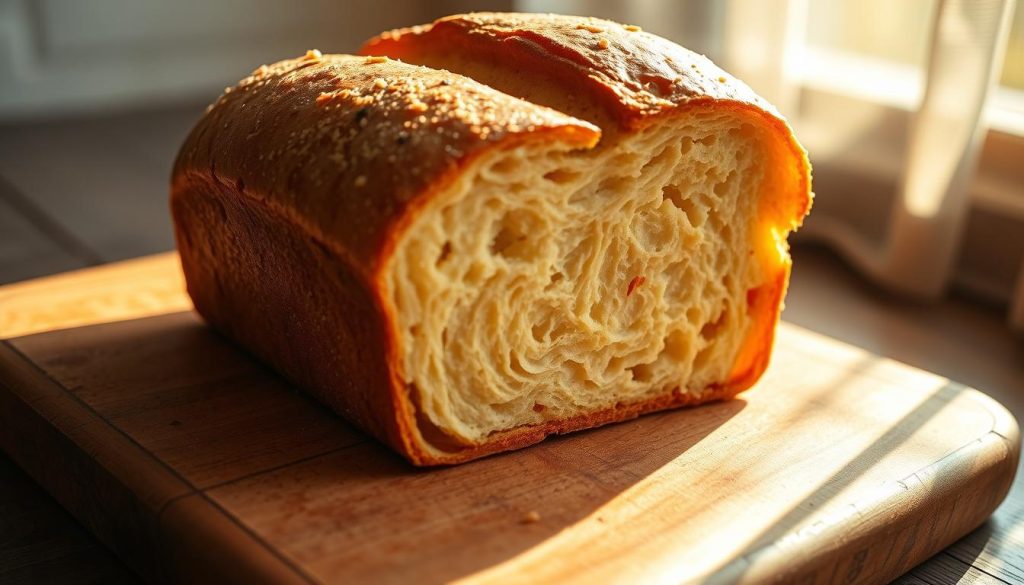
Texture issues can range from dense to crumbly. To combat this, check your mixing technique and baking time. Overmixing can lead to a dense bread, while underbaking can result in a crumbly texture.
Adjusting the Recipe for Different Dietary Needs
Beyond keto, you might have other dietary considerations. For a dairy-free version, substitute butter with coconut oil or olive oil. For those with egg allergies, flaxseed or chia eggs can be a viable substitute. To make the recipe paleo-friendly, omit any non-paleo ingredients like certain types of sugar or grains.
By making these adjustments, you can enjoy keto bread that fits your dietary needs, whether that’s dairy-free, egg-free, or paleo-friendly.
Creative Ways to Enjoy Your Keto Bread
Discover the versatility of keto bread and elevate your meal game with these creative ideas. Keto bread can be used in a variety of dishes, from breakfast to dinner, and even as a snack. Its adaptability makes it a staple for those following a keto diet.
Breakfast Ideas
Start your day with a delicious keto breakfast using your homemade bread. Make French toast by dipping keto bread in a mixture of eggs and cream, then frying it in a pan. You can also toast the bread and top it with avocado or almond butter for a quick and satisfying breakfast.
Lunch and Dinner Applications
Keto bread is perfect for making sandwiches, whether it’s a classic grilled cheese or a more elaborate creation. Use it as a base for keto pizza by topping it with your favorite sauce, cheese, and toppings, then baking until crispy.
Snack Suggestions
For a quick snack, try toasting keto bread and topping it with butter or cream cheese. You can also make croûtons by cubing the bread, tossing with olive oil and your favorite seasonings, and baking until crispy.

Storing and Freezing Your Keto Bread
To enjoy your keto bread over an extended period, it’s essential to store it correctly. Proper storage not only maintains the bread’s freshness but also its texture and flavor.
Refrigeration Tips
For short-term storage, the refrigerator is an ideal place to keep your keto bread fresh. It’s recommended to store the bread in an airtight container to prevent it from drying out or absorbing odors from other foods. When stored correctly, keto bread can last up to 2 weeks in the refrigerator. “Storing your keto bread properly is key to its longevity,” as it prevents moisture from affecting the bread’s texture.
Freezing Methods for Longer Storage
For longer storage, freezing is a viable option. Keto bread can be frozen for up to 6 months. To freeze, it’s advisable to slice the bread first, allowing for easy portion control. Simply wrap the slices or the entire loaf in plastic wrap or aluminum foil and place it in a freezer-safe bag. When you’re ready to eat it, toasting frozen slices can help restore their texture. As noted, “Slicing before freezing allows for easy portion control,” making it a convenient method for managing your bread consumption.
To prevent freezer burn, ensure that the bread is wrapped tightly. When you’re ready to consume the frozen bread, you can simply toast it or let it thaw at room temperature for a few minutes. Toasting is recommended for the best texture, typically taking about 2-3 minutes in a toaster or a bit longer in a conventional oven.

Conclusion
With the right keto bread recipe and techniques, keto bread can become a staple in your ketogenic lifestyle. By following the steps outlined in this article, you can create delicious bread that fits within your low-carb diet. This bread not only satisfies your cravings but also helps you maintain a state of ketosis with minimal net carbs per serving.
Experiment with different variations of this basic keto bread recipe to keep your diet interesting and enjoyable. As you master this recipe, you’ll be empowered to explore other keto recipes, further enriching your low-carb culinary experience. Start baking today and discover the joy of keto bread!