

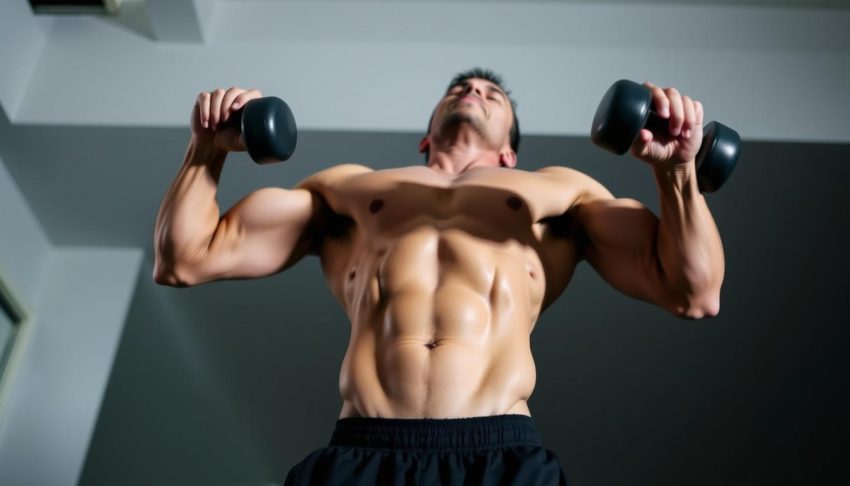
Developing stronger shoulders is a goal for many fitness enthusiasts, and one effective exercise for achieving this is the lateral lift with dumbbells. This isolation exercise specifically targets the deltoid muscles, particularly the middle head, helping to create a broader shoulder appearance.
Proper form and technique are crucial for maximizing results and preventing injury. By incorporating lateral lifts into your regular workout routine, you can improve shoulder stability and strength. This comprehensive guide will walk you through the proper technique and benefits of lateral lifts, helping you to master this essential shoulder exercise.
Key Takeaways
- Understand the importance of proper form and technique when performing lateral lifts.
- Learn how lateral lifts target the deltoid muscles for stronger shoulders.
- Discover the benefits of incorporating lateral lifts into your workout routine.
- Improve shoulder stability and strength with this effective exercise.
- Master the lateral lift technique with our comprehensive guide.
Understanding the Power of Lateral Lifts
The lateral lift is an isolation exercise that targets the deltoids, promoting overall shoulder health. The shoulder consists of three heads: the front (anterior), middle (lateral), and rear (posterior) deltoids. Each area needs adequate stimulation to grow optimally, resulting in a set of strong, functional, and muscular shoulders.
Why Lateral Lifts Are Essential
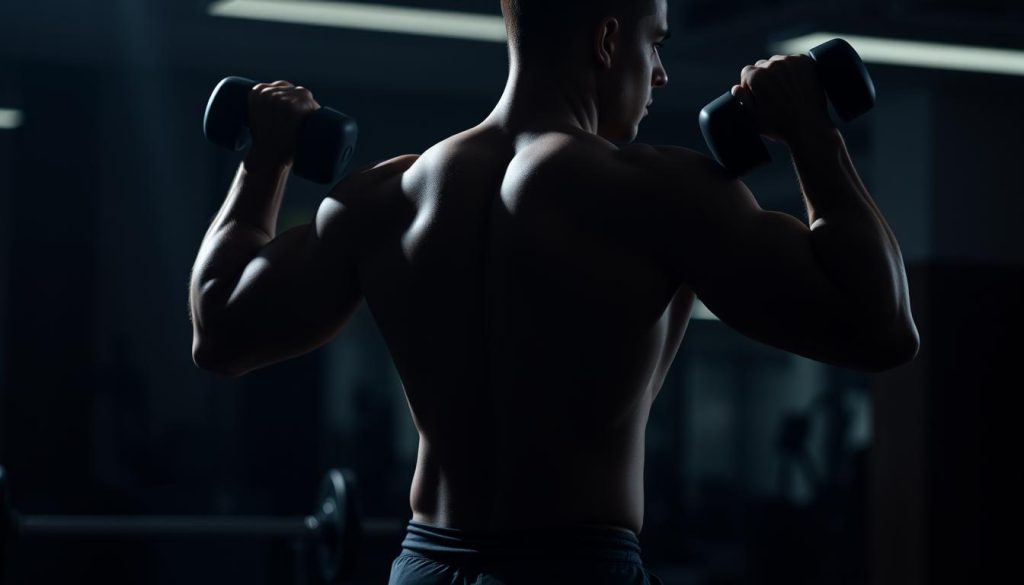
Lateral lifts are crucial for balanced shoulder development. They primarily activate the middle deltoid head, which is often underdeveloped compared to the anterior deltoid. By targeting this area, lateral lifts help create a balanced look and improve overall shoulder strength. This exercise also helps correct muscular imbalances that might develop from focusing only on pressing movements.
- Lateral lifts target the middle deltoid, enhancing shoulder width and strength.
- They complement overhead pressing movements for comprehensive shoulder development.
- Strong shoulders protect the mobile and injury-prone shoulder joint.
By incorporating lateral lifts into your workout routine, you can achieve stronger, more resilient shoulders that contribute to both functional strength and aesthetic appeal.
How to Perform Lateral Lifts Dumbbell with Perfect Form
To achieve stronger shoulders, it’s essential to master the lateral lifts dumbbell exercise with perfect form. This involves a series of steps that, when followed correctly, can significantly enhance shoulder strength and stability.
Step-by-Step Execution Guide
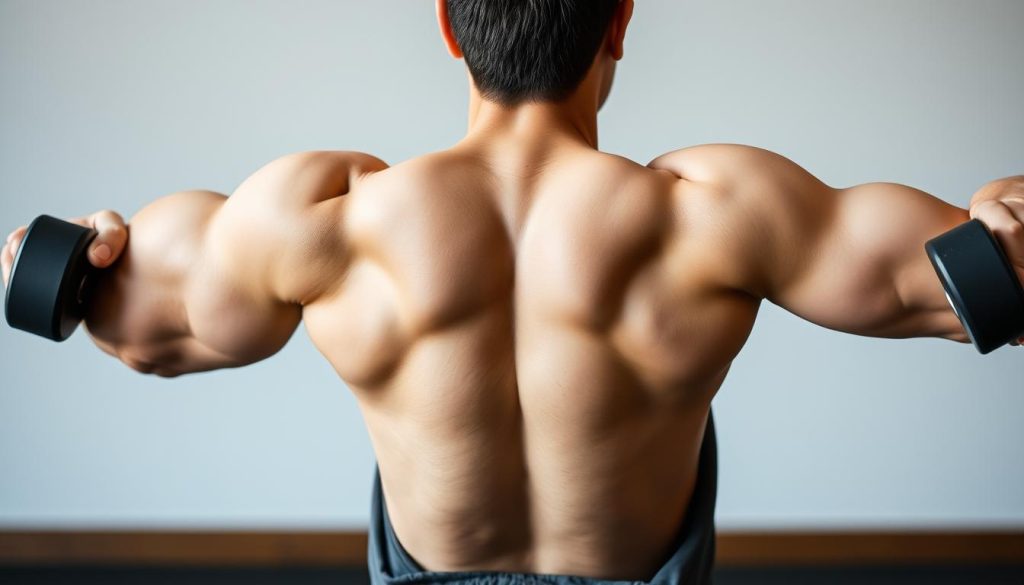
Stand tall with the dumbbells to your sides and palms facing in. Bring your shoulders back, direct your gaze forward, and take a breath. Make sure that both of your arms are straight. Raise both dumbbells to your sides by engaging your delts and lift them to the point where your arms are parallel to the floor. Don’t bend your elbow at any point during the lift. Hold the top position for a second as you exhale, and slowly lower both of your arms to the starting position.
Proper Breathing and Body Positioning
Maintaining proper breathing and body positioning is crucial. Inhale during preparation and exhale during the lifting phase. Keep your core engaged and maintain a neutral spine to ensure effective muscle engagement and minimize the risk of injury.
Selecting the Right Weight for Maximum Benefit
Choosing the appropriate weight is vital for maximizing the benefits of lateral lifts. Select dumbbells that allow you to maintain proper form while still challenging your muscles. Avoid using momentum to lift the weights; instead, focus on controlled movement to target the lateral deltoids effectively.
Muscles Targeted During Lateral Lifts
The dumbbell lateral raise is an isolation exercise that primarily targets the deltoid muscles in the shoulder. Understanding the muscles engaged during this exercise is crucial for effective shoulder development.
Deltoids: The Primary Muscle Focus
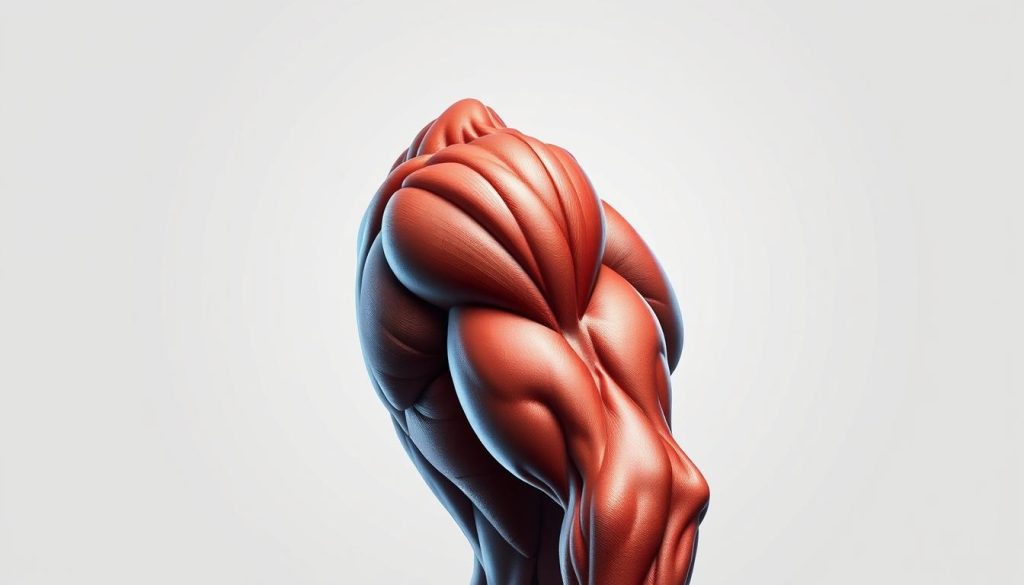
The deltoids are a key muscle group in the shoulder, consisting of three heads: anterior, lateral, and posterior. The lateral deltoid head is primarily targeted during lateral raises due to the arm’s position and movement. The deltoids play a significant role in arm abduction, or moving the arm away from the body’s midline.
- The deltoids have three distinct heads, each with unique functions.
- The lateral head is the primary target during lateral lifts.
- Deltoids contribute to arm abduction and shoulder joint stability.
Secondary Muscles Engaged
Besides the deltoids, other muscles are engaged during lateral raises, including the upper trapezius, serratus anterior, and rotator cuff muscles. The triceps work isometrically to keep the arm straight throughout the movement. Proper form ensures maximum activation of the target muscles while minimizing unwanted recruitment of other muscle groups.
Common Mistakes to Avoid When Performing Lateral Lifts
To get the most out of lateral lifts and minimize the risk of injury, it’s crucial to avoid a few key mistakes. Lateral raises are an effective exercise for targeting the deltoids, but improper form can lead to reduced effectiveness and increased risk of shoulder problems.
Using Momentum Instead of Muscle
One of the most common mistakes is using momentum instead of controlled muscle contraction to lift the weights. This not only reduces the effectiveness of the exercise but also increases the risk of injury. To avoid this, focus on slow, controlled movements, and choose a weight that allows you to maintain proper form.
Improper Arm Positioning and Movement Path
The direction in which you raise your arms is critical. For a dumbbell lateral raise, your arms should move to the side relative to your torso, slightly forward of directly lateral. This helps protect the shoulder joint and ensures the deltoids are properly engaged. Make sure to maintain this movement path to avoid putting unnecessary strain on your shoulders.
Lifting Too Heavy or Too High
Lifting the weights above shoulder level is another common mistake. This can lead to shoulder impingement and doesn’t contribute to better muscle engagement. Keep the lift controlled and within a safe range to maximize the benefits of the exercise.
- Use controlled muscle contraction instead of momentum to lift the weights.
- Maintain proper arm positioning to protect the shoulder joint.
- Avoid lifting weights above shoulder level to prevent impingement.
Effective Variations of Lateral Lifts Dumbbell
Variety is key in a successful shoulder training regimen, and lateral lifts dumbbell offer multiple options. To keep your workouts fresh and prevent plateaus, incorporating different variations of lateral lifts can be highly beneficial.
Leaning Lateral Raises
Leaning lateral raises allow for a slightly longer range of motion, increasing the stretch on the deltoids. To perform this variation, grab onto a stable object with one hand, lean to the side, and raise the dumbbell with your other arm. This technique can enhance the overall effectiveness of the exercise.
Pause Lateral Raises
Pause lateral raises involve holding the dumbbell at the top of the movement for two to four seconds. This isometric hold intensifies muscle activation, improving deltoid engagement and reinforcing proper technique.
Cable Lateral Raises
Cable lateral raises provide consistent tension throughout the movement, unlike dumbbells which have varying resistance points. Using a cable machine for lateral raises can add a new dimension to your shoulder training, keeping your workouts engaging and challenging.
By incorporating these variations into your shoulder training program, you can achieve progressive overload and continuously challenge your muscles, preventing adaptation and promoting growth.
Conclusion
With consistent practice and proper technique, dumbbell lateral raises can transform your shoulder aesthetics and functionality. To achieve this, focus on proper form, starting with lighter weights to master the lateral raise movement. Incorporate lateral lifts into your upper body workout routine to enhance shoulder development. Remember, patience and consistent training are key. Stronger shoulders not only improve your physique but also benefit everyday activities and other exercises. Continue reading and practicing to achieve your fitness goal.